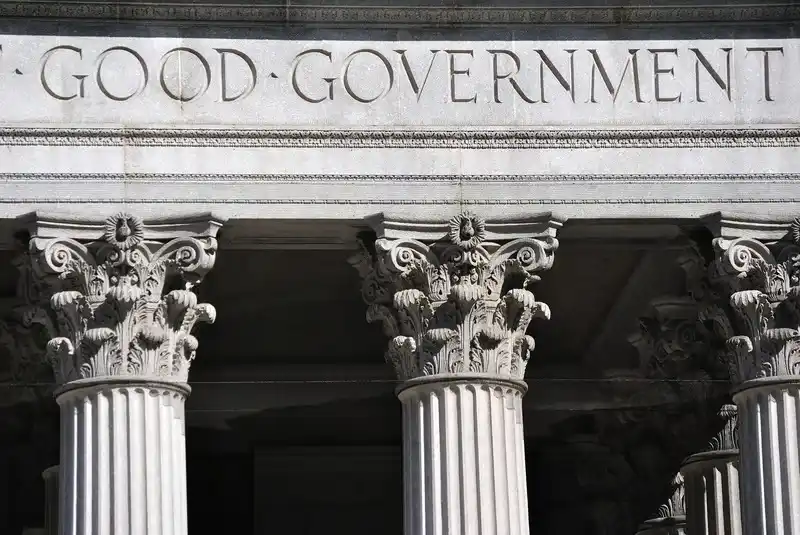

Local governments play a crucial role in our daily lives. They provide essential services that directly impact our quality of life. From maintaining public safety to managing waste disposal, local government services are the backbone of community well-being. In this blog, we will explore the various services typically managed by local governments, how they function, and their significance in enhancing our everyday experiences.
Local government services can vary widely based on location, population size, and governance structure. However, the core services remain relatively consistent across different municipalities. Understanding these services helps residents appreciate the value of local governance and encourages civic engagement.
Public Safety Services
One of the primary responsibilities of local governments is ensuring public safety. This encompasses various services designed to protect citizens and maintain order within the community.
Police Services
Local police departments are essential for maintaining law and order. They respond to emergencies, investigate crimes, and engage in community policing. Officers work to build relationships with residents, fostering trust and cooperation. This proactive approach helps prevent crime and enhances community safety.
In addition to traditional law enforcement, many police departments offer programs focused on community engagement. These initiatives can include neighborhood watch programs, youth mentorship, and educational workshops on crime prevention. Such efforts demonstrate how local government services extend beyond enforcement to include community support.
Fire Services
Fire departments are another critical component of public safety. Local governments are responsible for funding and operating fire services, which respond to fires, medical emergencies, and hazardous materials incidents. Firefighters undergo extensive training to handle various emergencies, ensuring the safety of residents.
Moreover, many fire departments engage in public education campaigns. They provide information on fire safety, emergency preparedness, and the importance of smoke detectors. These initiatives empower residents to take proactive measures in safeguarding their homes and families.
Emergency Medical Services (EMS)
Local governments also manage emergency medical services, which are vital for responding to medical emergencies. EMS personnel provide immediate care and transport patients to medical facilities. Their quick response can be lifesaving, making this service essential for community health.
Many local governments invest in training and equipping EMS personnel to ensure they are prepared for a wide range of medical situations. Additionally, public awareness campaigns often educate residents about when to call for emergency medical assistance, further enhancing community safety.
Infrastructure and Public Works
Local governments are responsible for maintaining and improving infrastructure, which is essential for daily life. This includes roads, bridges, public transportation, and other public works.
Road Maintenance
Properly maintained roads are critical for safe travel. Local governments oversee road construction, repair, and maintenance. They ensure that streets are safe for vehicles, bicycles, and pedestrians. Regular maintenance prevents accidents and promotes mobility within the community.
Additionally, local governments often implement traffic management strategies. This can include traffic signals, signage, and road markings to enhance safety and efficiency. These measures help reduce congestion and improve the overall driving experience.
Public Transportation
Public transportation services are vital for residents who rely on buses, trains, or subways for their daily commutes. Local governments often manage these services to provide accessible and affordable transportation options. Public transportation helps reduce traffic congestion and promotes environmental sustainability by encouraging the use of mass transit.
Efficient public transportation systems also contribute to economic growth. They connect residents to job opportunities, education, and essential services. Local governments often focus on expanding and improving public transportation to meet the needs of their communities.
Waste Management and Sanitation
Effective waste management is a critical local government service. Local governments are responsible for collecting and disposing of solid waste, recycling, and maintaining public sanitation. Proper waste management protects public health and the environment.
Many local governments implement recycling programs to encourage residents to reduce waste. They provide bins for recyclable materials and educate the community about recycling practices. These initiatives demonstrate how local government services can promote sustainability and environmental stewardship.
Community Development and Planning
Community development is another essential function of local governments. This involves planning and implementing initiatives that enhance the quality of life for residents.
Urban Planning
Local governments oversee urban planning, which guides land use and development within communities. This includes zoning regulations, building permits, and land development projects. Urban planning ensures that communities grow in a sustainable and organized manner.
Effective urban planning considers various factors, including population growth, environmental impact, and community needs. Local governments engage with residents during the planning process, soliciting input to develop plans that reflect the community’s vision.
Housing Services
Local governments often play a role in providing affordable housing options. They may develop housing policies that promote diversity and inclusivity within the community. This includes initiatives to support low-income residents and families facing housing insecurity.
Many local governments also collaborate with non-profit organizations to provide housing assistance programs. These programs can include rental assistance, homeownership education, and support services for homeless individuals. By addressing housing needs, local government services contribute to community stability and well-being.
Health and Social Services
Local governments are also responsible for various health and social services that support community well-being. These services address public health, mental health, and social welfare needs.
Public Health Services
Local health departments are crucial for promoting and protecting community health. They provide services such as immunizations, health education, and disease prevention programs. Local governments also play a role in monitoring public health issues and responding to health crises.
Public health initiatives often focus on educating residents about healthy lifestyles. This can include nutrition programs, fitness classes, and awareness campaigns about chronic diseases. By promoting health education, local government services empower residents to make informed decisions about their well-being.
Mental Health Services
Mental health services are increasingly recognized as an essential component of community health. Local governments may provide mental health resources, including counseling, crisis intervention, and support groups. These services help residents address mental health challenges and promote overall well-being.
Collaboration with community organizations is common in delivering mental health services. Local governments often partner with non-profits and mental health professionals to expand access to care. By prioritizing mental health, local government services contribute to a healthier, more resilient community.
Social Services
Local governments also manage social services that support vulnerable populations. This can include programs for seniors, low-income families, and individuals with disabilities. Local governments may provide food assistance, housing support, and job training programs to help residents improve their circumstances.
By offering social services, local governments address immediate needs while promoting long-term self-sufficiency. These programs empower residents to overcome challenges and achieve their goals, fostering a stronger community.
Parks and Recreation
Recreational services are an important aspect of local government offerings, providing residents with opportunities for leisure, fitness, and community engagement.
Parks and Green Spaces
Local governments manage parks and recreational facilities, ensuring residents have access to green spaces for leisure and outdoor activities. Parks promote physical activity, social interaction, and mental well-being. They serve as gathering places for families, friends, and community events.
Many local governments invest in maintaining and improving park facilities. This can include walking trails, sports fields, playgrounds, and picnic areas. By enhancing recreational amenities, local government services contribute to the overall quality of life in the community.
Recreation Programs
In addition to managing parks, local governments often provide recreation programs for residents of all ages. These programs can include sports leagues, fitness classes, arts and crafts, and summer camps. Such offerings encourage community engagement and promote healthy lifestyles.
Local governments frequently collaborate with community organizations to deliver diverse recreational programs. By providing accessible and affordable options, local government services foster a sense of community and connection among residents.
Economic Development
Local governments play a critical role in fostering economic development within their communities. They create an environment conducive to business growth and job creation.
Business Support Services
Many local governments offer support services for local businesses. This can include assistance with permits, licenses, and zoning regulations. Local governments may also provide resources for entrepreneurs, such as business incubators and training programs.
By supporting local businesses, local government services contribute to economic vitality. A thriving business sector creates job opportunities and enhances the overall quality of life for residents.
Attracting Investments
Local governments actively work to attract new investments to their communities. This can involve marketing the community to potential businesses, offering tax incentives, and developing infrastructure to support new industries. By creating a favorable business environment, local governments stimulate economic growth.
Collaboration with economic development organizations is common in these efforts. Local governments often partner with chambers of commerce and regional development agencies to promote their communities and attract new businesses.
Conclusion
Local government services are essential for the well-being of communities. They provide critical support in areas such as public safety, infrastructure, community development, health, recreation, and economic development. By understanding these services, residents can better appreciate the value of local governance and engage more meaningfully with their communities.
As local governments continue to evolve, they will adapt to the changing needs of their residents. By prioritizing effective service delivery and community engagement, local governments can enhance the quality of life for all citizens. Ultimately, local government services form the foundation of a healthy, thriving community.
By becoming informed and involved, residents can contribute to the ongoing development and improvement of these vital services. Engaging with local officials, participating in community meetings, and advocating for needed changes are all ways citizens can play a role in shaping their communities. Local government services are not just a function of governance; they are a reflection of the community’s values and priorities, and everyone has a stake in their success.